
This post contains affiliate links. If you buy something through them I may earn a small commission at no extra cost to you. As an Amazon Associate I earn from qualifying purchases.
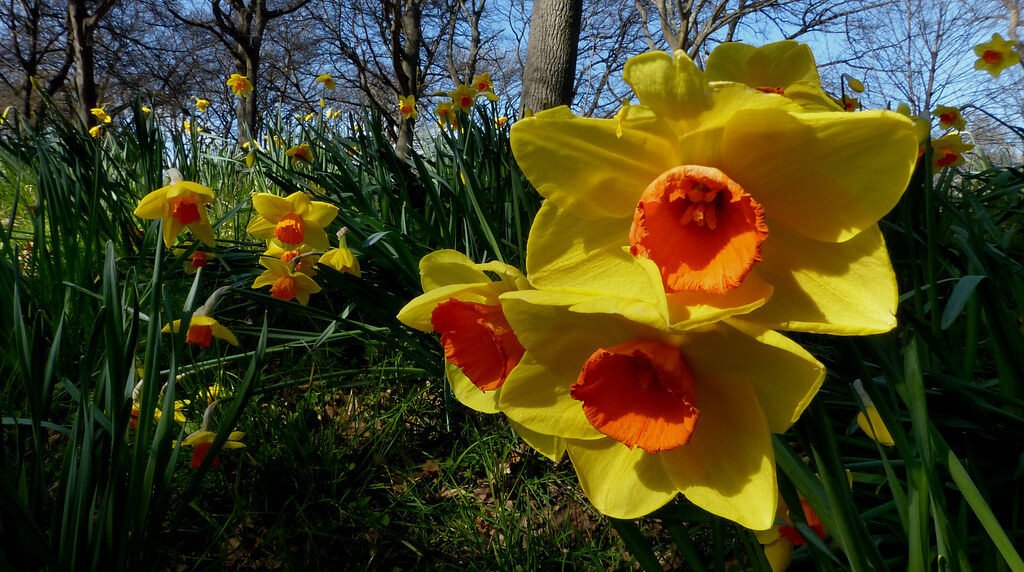
Right, this is the job that nobody writes on their to-do list until the first proper cold morning turns up and reminds them. Bulbs. Tulips, daffodils, alliums, crocus if you want colour before anything else has woken up. Right now, in November, you’re still bang in the window for getting them in the ground.
If you’ve never planted them before, I promise this is the easiest win on the whole plot. No feeding, no fussing, no checking on them every five minutes. You dig a hole, you drop them in, and you forget about them until spring does the work for you.
Why tulips actually want you to wait
This is the bit that trips people up. Daffodils and alliums are happy to go in early autumn, but tulips are fussier. They do better once the soil has properly cooled down. Plant them too early, while the ground is still mild and damp, and you’re rolling out the red carpet for tulip fire, a fungal disease that loves exactly those conditions. So if you’ve had a bag of tulip bulbs sitting by the back door for weeks feeling guilty about it, you haven’t missed your chance. You were right on time.
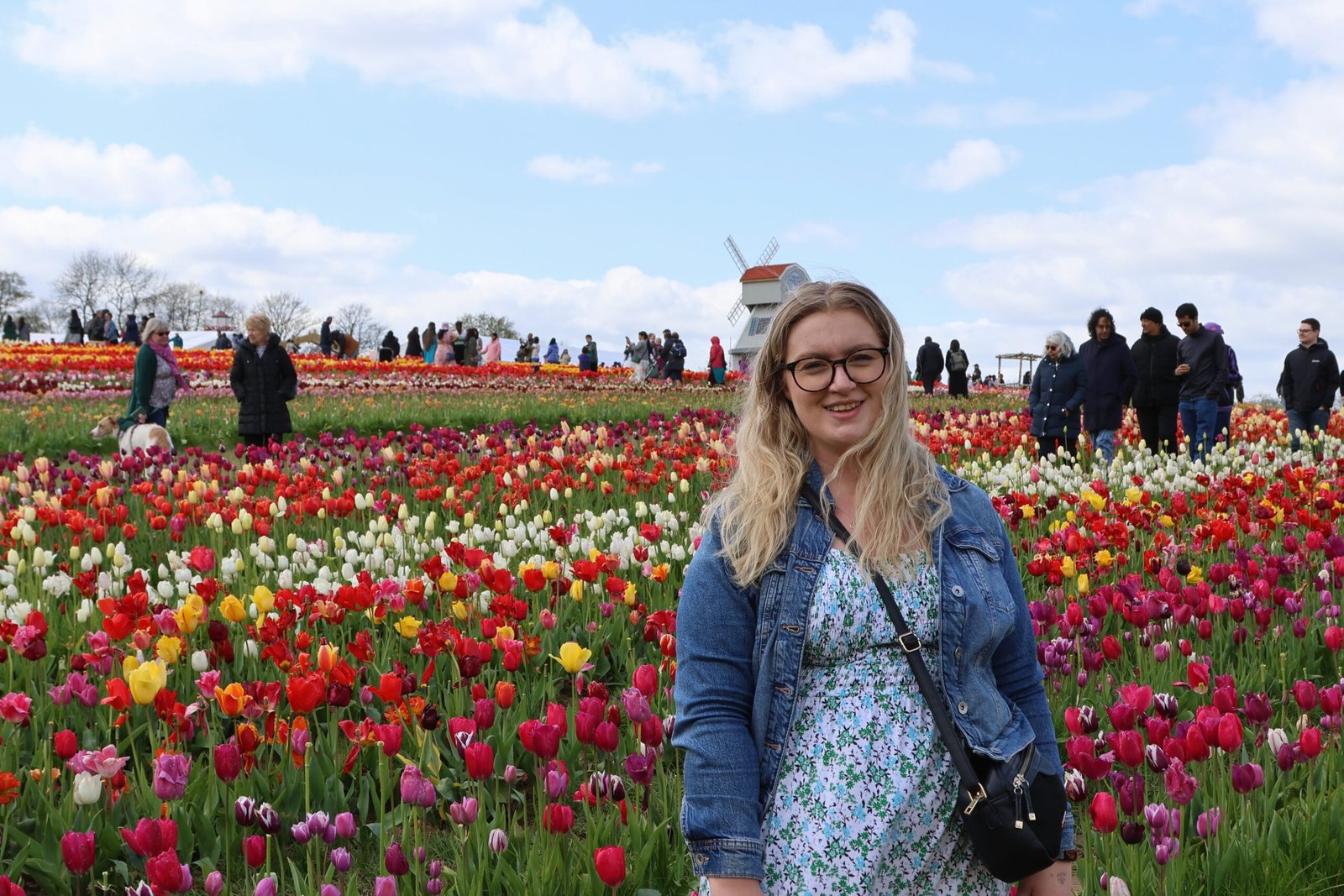
A rough guide for depth: three times the height of the bulb, pointy end up. If you genuinely can’t tell which end is which, lay it on its side. It will find its way up regardless, it just costs the plant a bit of extra effort.
This is a budgeting post wearing a gardening coat
Here’s the bit I actually want to bang on about. Bulbs are one of the cheapest forms of gardening there is, if you play it right. Buy loose and in bulk rather than in little branded bags of ten, and the price per bulb drops a lot. Garden centres also tend to discount bulbs hard once we’re into November, because stock has to move before it’s too late to plant. We’re there now. Grab a bargain bag this week, get it in before the ground turns properly hard, and that’s money back in your pocket for doing precisely nothing extra.
And the real trick, the one that makes this a genuinely frugal habit rather than a one-off: once daffodils and alliums are in, they’re in for good. Dig them up every few years when the clumps get crowded, split them apart, and you’ve just turned one purchase into several, for free. That’s the kind of return on investment I can get behind.
Where to actually put them on an allotment
An allotment isn’t a flower bed, so it’s worth thinking about where bulbs earn their space. The edges of paths and the border around a shed are classic spots. Alliums in particular are brilliant tucked in among vegetable beds, because bees adore them and a bit of extra pollinator traffic in spring does your fruiting crops no harm at all. Daffodils around the base of fruit bushes are another good shout, since nothing else wants that exact patch of ground in March anyway.
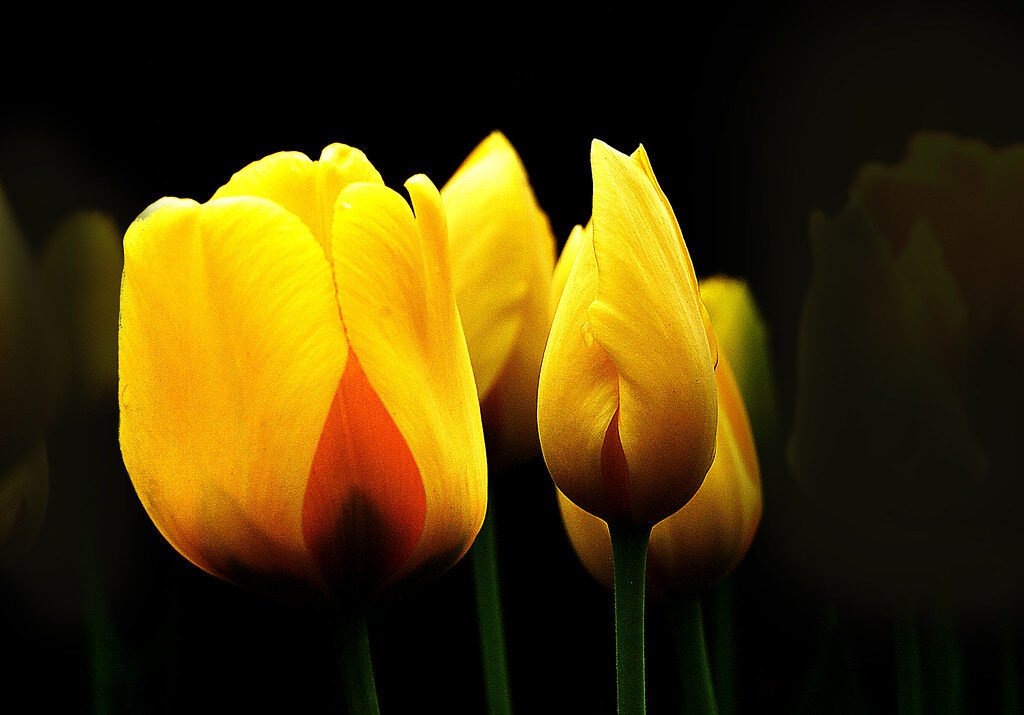
Just don’t plant them anywhere you’ll want to dig in spring. It sounds obvious written down, but it’s an easy thing to forget in November when that bed looks completely empty and harmless.
The bit that actually matters most
Honestly, the biggest reason to do this now rather than “at some point” is that by February, when the first green shoots start poking through on a grey, miserable morning, you will have absolutely no memory of digging those bulbs in. It will feel like something turned up and did you a favour. After a summer of hard graft on the plot, that’s not nothing. Sometimes the best gardening job is the one where future-you gets all the credit and present-you barely has to try.
So if you’ve got a bag of bulbs waiting, or you’re thinking about grabbing some this week, this is your nudge. Get them in while the soil’s still workable, then go inside, put the kettle on, and let the weather do the rest.