
This post contains affiliate links. If you buy something through them I may earn a small commission at no extra cost to you. As an Amazon Associate I earn from qualifying purchases.
Right, this is the one bit of November admin that actually pays you back. Bare-root season is here, and if there’s one plot job worth doing properly this month, it’s this one.
If you’ve been looking at your allotment thinking it would be nice to have a proper fruit bush or two, maybe a little apple tree tucked in the corner, this is the month to stop thinking about it and start ordering. Bare-root plants go on sale from roughly now through to March, while the trees and bushes are dormant, and they are, without exaggeration, the cheapest way into growing your own fruit that exists.
What “bare-root” actually means
Instead of buying a tree or bush already sitting in a pot of compost, you buy it with no pot and no soil at all. It arrives as a plant, roots and all, lifted straight from a field while it’s dormant for winter. No pot, no compost, no fancy packaging, which is exactly why it’s cheaper. You’re not paying for a plastic pot or for someone to have grown it on for another year. You’re paying for the plant itself, and not much else.
It looks a bit alarming the first time a box turns up with what seems to be a stick and some roots in it. That’s normal. That’s the point.
Why it’s worth doing this way
The price difference between a bare-root fruit bush and the same thing potted up in a garden centre in May is genuinely big. For the cost of one potted apple tree in spring, you could often get two or three bare-root ones now. If you’re trying to fill out a plot on a proper budget rather than all at once, this is how you do it.
It’s not just about price either. Bare-root plants tend to establish well, because they go into the ground while they’re dormant and settle in gently over winter, rather than being shocked into growing while already stressed from being potbound. By the time spring arrives and everything wakes up, the roots have already had a few quiet months to get comfortable.
What to actually order
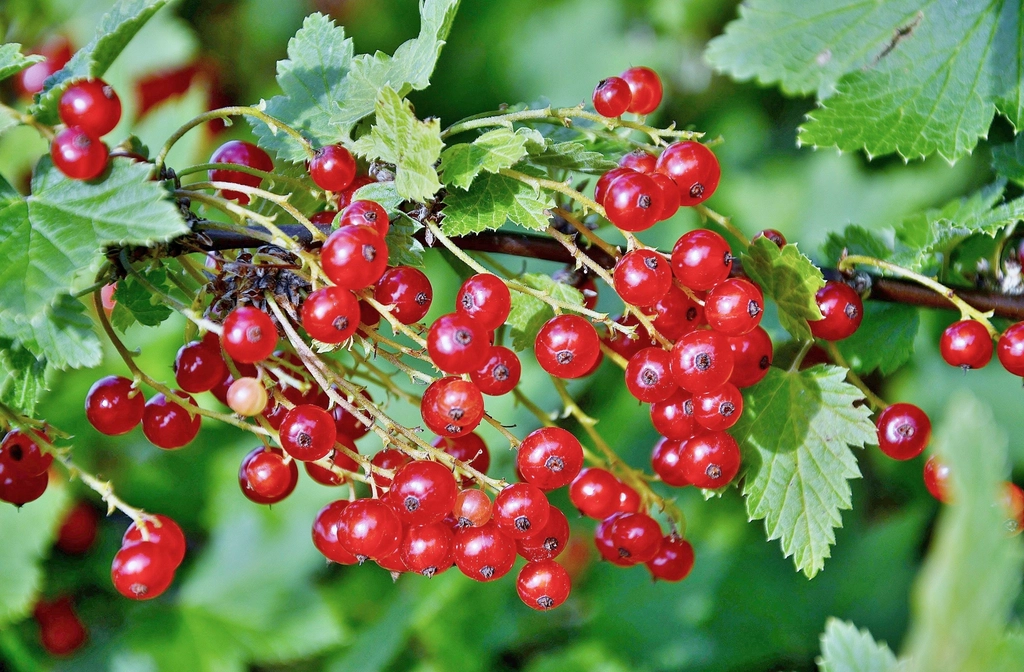
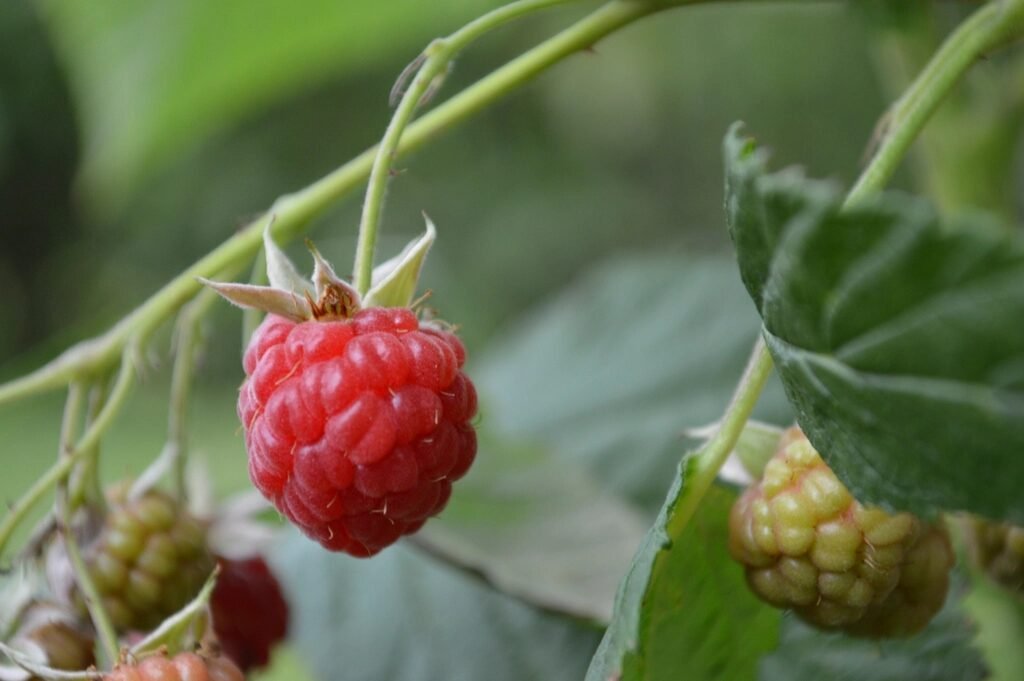
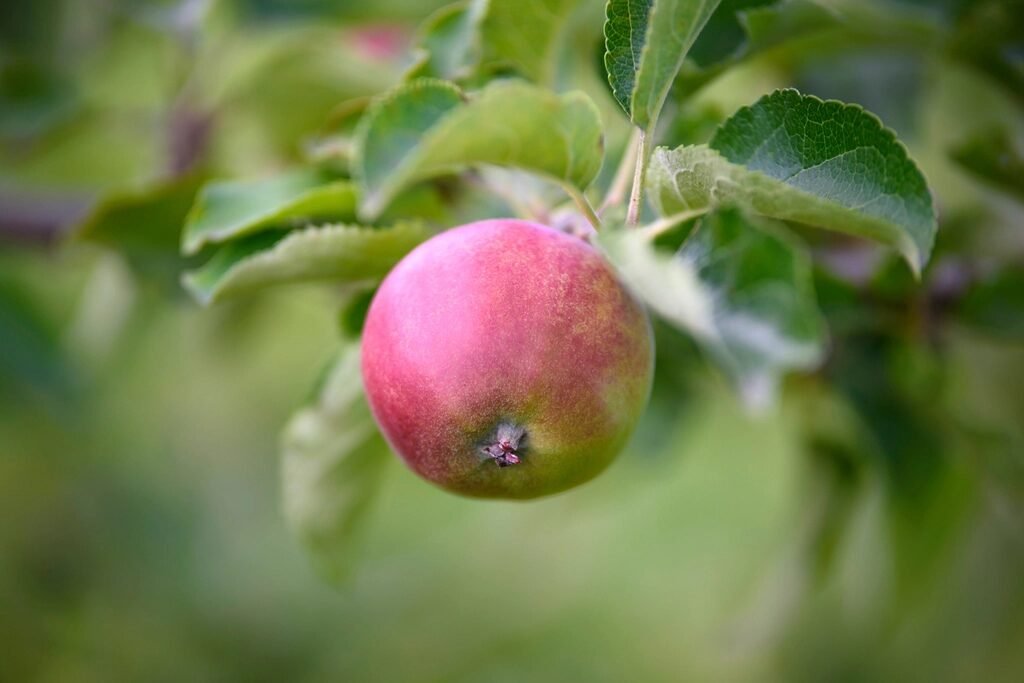
Currants, gooseberries and raspberry canes are the easy, forgiving options if this is your first go. They’re cheap, they’re tough, and they don’t sulk. Fruit trees are a bigger commitment in terms of space and patience, so have a think about what rootstock you need before you order, since that decides how big the tree eventually gets and whether it’ll actually fit where you want to put it. Most sellers list this clearly, and it’s worth the two minutes of reading rather than ending up with something three times too big for your plot in five years’ time.
If you’re not sure what you’ve got room for, it’s worth sketching your plot out roughly on paper first. It’s a lot cheaper to realise you’ve only got space for one tree before you order three.
Getting it into the ground
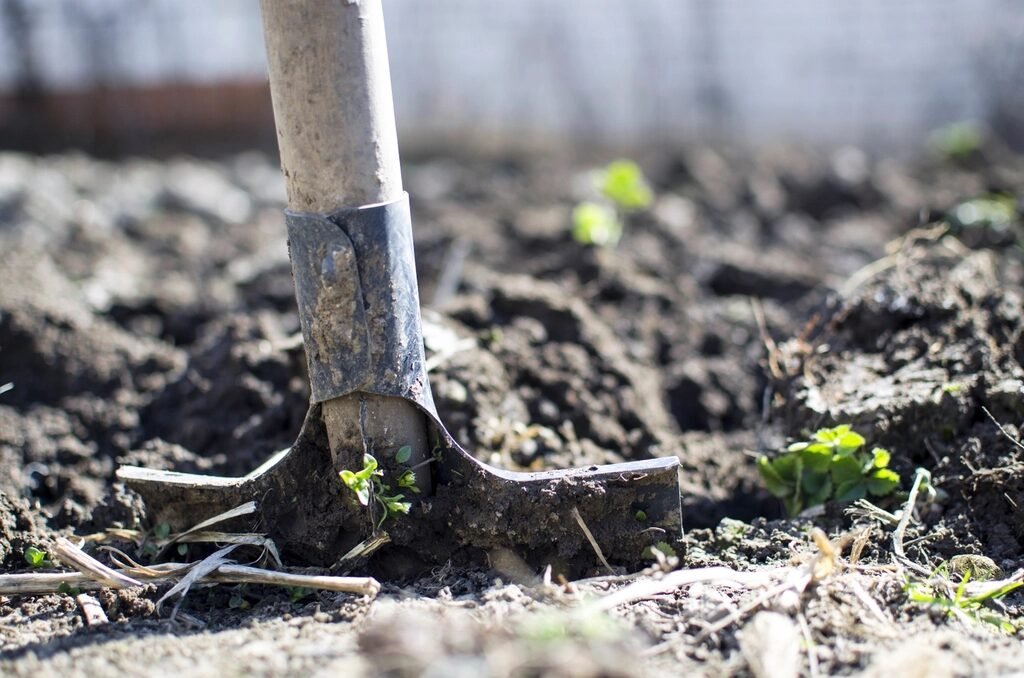
The actual planting is simpler than people expect. Soak the roots in a bucket of water for an hour or two before you plant, so they’re not going into the ground dry. Dig a hole wide enough that the roots can spread out properly rather than being crammed in, and plant at the same depth the plant was growing before, you’ll usually see a soil mark on the stem that tells you where that was. Firm it in well, water it even though the ground’s probably damp already, and that’s genuinely most of it.
A stake for a tree is sensible for the first year or two, just so it isn’t rocking about in the wind and disturbing those new roots before they’ve had a chance to grip.
The part that needs patience
This is the bit nobody loves hearing. A bare-root bush or tree planted this winter won’t give you much, if anything, next year. It’s spending that first year settling in and building roots rather than putting energy into fruit. That’s fine. That’s what it’s meant to be doing. The payoff comes the year after, and then the year after that, for a cost that’s long since paid for itself.
It’s the same patience that an allotment teaches you generally really. Nothing worth having turns up instantly, and the stuff that takes a year or two to get going is usually the stuff that keeps giving for a decade.
If you’ve been putting off adding fruit to your plot because it felt like an expensive thing to commit to, this is the quiet, cheap window to actually do it. Have a browse, work out what you’ve got room for, and get an order in before the good varieties sell out, because they always do.