

This post contains affiliate links. If you buy something through them I may earn a small commission at no extra cost to you. As an Amazon Associate I earn from qualifying purchases.
Right, I know. It’s only mid November and I’m already talking about Christmas cake. Bear with me, because this is one of those jobs where being early is actually the whole point, not just keenness.
Stir-up Sunday falls on the last Sunday before Advent, which this year is the 22nd of November. That’s this Sunday. Traditionally it’s the day everyone in the house gets a turn stirring the pudding mixture and making a wish. But you don’t need to wait for the exact date to start thinking about your Christmas cake, and honestly, if you want a cake with any kind of depth to it, you shouldn’t.
Why the slow way actually works in your favour
A proper fruit cake needs time. Not because of tradition for tradition’s sake, but because dried fruit soaked in alcohol for weeks tastes completely different to fruit that went in last Tuesday. The flavours mellow, the texture softens, everything sort of settles into itself. A cake made in November and fed every week or two until Christmas is a different thing entirely to one rushed together on the 23rd of December because someone remembered at the last minute.
There’s also a money win hiding in here that’s easy to miss. Dried fruit, spices, a bottle of brandy or whatever you’re feeding it with, a block of good butter if you’re not already stocked up. That’s a chunk of spending. Doing it now means it’s one more thing off the list before the proper Christmas costs start landing.
Compare that to the price of a decent shop-bought Christmas cake, and homemade wins on cost most years, before you even get to the taste difference.
The actual process, if you’ve never done it
It’s less fiddly than people think. Soak your dried fruit (currants, sultanas, raisins, maybe some mixed peel or chopped dried apricots if you like a bit of variety) in your alcohol of choice for at least a few hours, ideally overnight, before you even start baking. Some people soak theirs for days. Then it’s a fairly standard fruit cake batter: butter and sugar beaten together, then eggs, flour and spices, with the soaked fruit folded through at the end. If you’ve never made a cake from scratch before, this is a forgiving one to start with, because a fruit cake doesn’t need to rise like a sponge. Line your tin well, twice over if you can, because it’s in a low oven for a long time. Then bake low and slow. It takes hours, not minutes, so don’t plan it around a day when you need the oven for anything else.
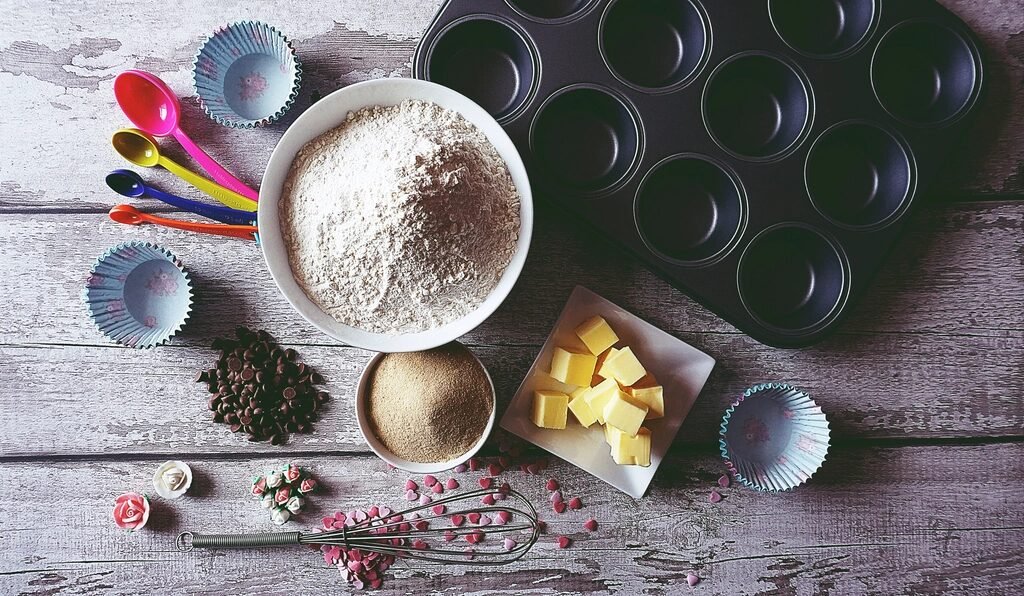
Once it’s cooled and wrapped, that’s when the slow bit really begins. Every week or two, unwrap it, prick the top a few times with a skewer, and spoon over a little more alcohol. Wrap it back up and tuck it away somewhere cool and dark. By the time December arrives, it’s had weeks of feeding and it’ll taste like it.
If you’d rather skip the alcohol altogether, you can feed it with fruit juice instead. It won’t keep quite as long, but you still get the benefit of the fruit mellowing and the texture improving over time.
It doesn’t have to be fancy
You don’t need a tiered masterpiece covered in fondant roses. A simple round cake in a lined tin, fed faithfully, beats an elaborate one that was rushed. If marzipan and icing aren’t your thing, a cake like this is lovely left plain, or just dusted with icing sugar on the day.

This is also a nice one to get other people involved in, even just for the stirring and the wish-making bit. It costs nothing, takes two minutes, and it’s the kind of small tradition that sticks in a way that expensive gestures somehow never do.
If you’ve got a go-to recipe already, this is your nudge to dig it out this weekend rather than leaving it until the fruit has to be soaked and baked in the same breath. And if you haven’t made one before, there’s no better year to start than one where you’ve got weeks to get it right instead of hours.