
This post contains affiliate links. If you buy something through them I may earn a small commission at no extra cost to you. As an Amazon Associate I earn from qualifying purchases.
Right, let’s talk about the job that quietly decides whether you get a free display again next summer or whether you’re back at the garden centre forking out for new stock in May.
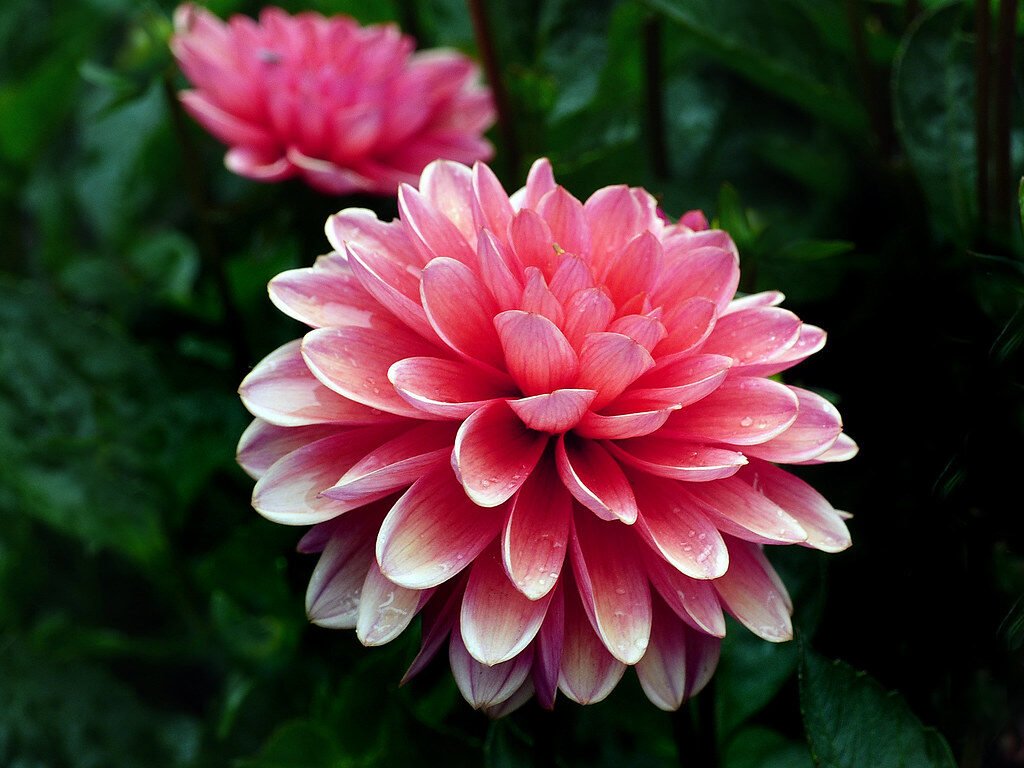
Dahlias. Cannas. Begonias. Gladioli corms. Anything soft and tender that had a lovely time all summer has now met its enemy, or is about to, and its enemy is frost.
By mid November most of the UK has had its first proper frost, and for these plants one hard frost is all it takes. The foliage goes black and mushy almost overnight. Leave the tubers or corms in the ground after that and you’re gambling on a mild winter rather than gardening. Some years you get away with it. Plenty of years you don’t.
Watch the leaves, not the calendar
You don’t need to lift everything the second the cold sets in. The real signal is the foliage. While it’s still green and upright, the plant is busy sending the last of the summer’s energy back down into the tuber, which is exactly what you want. The moment frost blackens the leaves, that process stops dead, so that’s your cue to get digging within the next day or two, before the tuber itself starts to suffer in cold, wet soil.
If your leaves are already black, this is your week. If you’ve somehow dodged the frost so far, keep an eye on the forecast for your area and treat the next cold snap as the deadline, not a suggestion.
Lifting without wrecking them
Cut the blackened foliage down to a few inches first, so you’ve got something to hold onto and so you’re not wrestling a collapsed plant in the mud. Then dig a good wide circle around the clump, further out than you think you need to, because dahlia tubers in particular spread more than the stem suggests. Ease them up from underneath with a fork rather than yanking from the top. Snapped necks are the main way people lose tubers at this stage, not frost.
Once they’re out, knock off the loose soil gently and have a proper look. This is the point to deal with any damaged or rotten bits before they spread to the healthy tuber over winter.
Drying and storing
Turn them upside down somewhere dry, airy and out of direct sun for a week or two, so any cut surfaces callus over and excess moisture drains out of the hollow stems. A shed, porch or garage works fine. Skip this step and you’re far more likely to open the box in February to a soggy, mouldy disappointment.
For storage, you want something that holds a bit of moisture without trapping it. Dry compost, sand, or vermiculite in a crate or an old cardboard box all do the job, with the tubers not touching each other where you can help it. A cold, frost-free spot like a garage, shed or unheated spare room suits them better than anywhere warm, since warmth encourages them to sprout too early, and damp encourages rot. Check on them every few weeks over winter and pull out anything that’s gone soft before it takes the rest with it.
Gladioli corms are the easiest of the lot. Lift once the leaves go yellow, let them dry fully, snap off the old corm from underneath the new one, and store the new corms somewhere cool and dry in a paper bag or net.
If you’d rather not bother
Not everyone wants a box of bulbs cluttering up the shed all winter, and that’s a perfectly reasonable position. In milder, sheltered parts of the country, some gardeners leave dahlias in the ground and pile on a thick mulch of bark chip, straw or even just a heap of dry leaves over the crown, gambling on the soil itself staying just warm enough. It works more often in a well-drained spot and a mild winter than it does on heavy clay in a hard one, so it’s worth knowing which kind of plot you’ve got before you decide it’s not worth the digging.
Why it’s worth the half hour
This is one of those jobs that feels like a faff on a cold, damp afternoon when you’d rather be inside with a cup of tea. But a box of stored tubers costs you nothing beyond that half hour of digging, while buying the same varieties again next spring adds up fast, especially if you’ve got more than a couple of clumps on the go.
It’s also, oddly, one of the more satisfying bits of the allotment year. There’s something nice about tucking a plant away to sleep through the worst of the weather, knowing it’ll be back doing exactly what it did this year, for free, as soon as the frosts are done with us.
So if your dahlias have gone black and floppy out there, don’t leave them sitting in cold, wet soil. Get out this weekend, have a dig, and bank the display for next summer while it’s still yours to save.